Your Body Deserves More Than a Hot Shower
You know the feeling. Tight shoulders. Stiff fingers. A low ache in your lower back that was not there at 25, but shows up on schedule now. It does not matter much whether you spent the day on a tractor or at a keyboard. Repetitive physical use catches up either way, and most of us cope with it the same lazy way: hot shower, maybe some stretching if we remember, then a long sit on the couch until bed.
That works fine, until it doesn't. The research keeps stacking up that a few small recovery habits, practiced regularly, change how you feel the next morning. The keyword there is regularly.
Why Muscles Get Stiff in the First Place
Stiffness after a hard day is not the same thing as being tired. Use a muscle group all day and small-scale stress builds up in the tissue itself. Your blood flow rises to support the work. Metabolic byproducts accumulate. The fascia (that's the connective sheet wrapping your muscles) tightens up because you kept asking the same area to do the same job for hours.
Your body is built to recover from this on its own. Recovery just needs three inputs to finish the job: blood flow, water, and enough time. Most people working physically demanding jobs come up short on at least one of those, sometimes all three.
The Recovery Routine That Actually Works
Hydrate Before You're Thirsty
Mild dehydration quietly slows muscle recovery. Blood flow to the muscles drops. Metabolic waste lingers longer than it should. Cramping risk goes up. By the time you actually feel thirsty, you are already running on a deficit.
A reasonable target is half your body weight in ounces of water across the day. If you are working outside in the Columbia Basin, where summer can run hot and dry for months at a time, tack on another 16 to 32 ounces.
Stretch the Muscles You Used Most
Stretching the parts you worked hardest, within about an hour of finishing, cuts down on next-day stiffness more than most people expect. Pick what to stretch based on what you did. Forearms and wrists if you were gripping tools all day. Hip flexors and lower back if you were on your feet or sitting in a tractor cab. Shoulders and neck if you were reaching overhead.
Hold each stretch for somewhere between 30 and 60 seconds. Slow pressure is what tells the muscle to lengthen. Bouncing does the opposite, so skip it.
Apply a Topical With Active Ingredients
This is the step most people skip, and it is the one with the most leverage. A solid topical, rubbed straight into the spots that are bothering you, supports recovery in ways that water and stretching cannot match on their own.
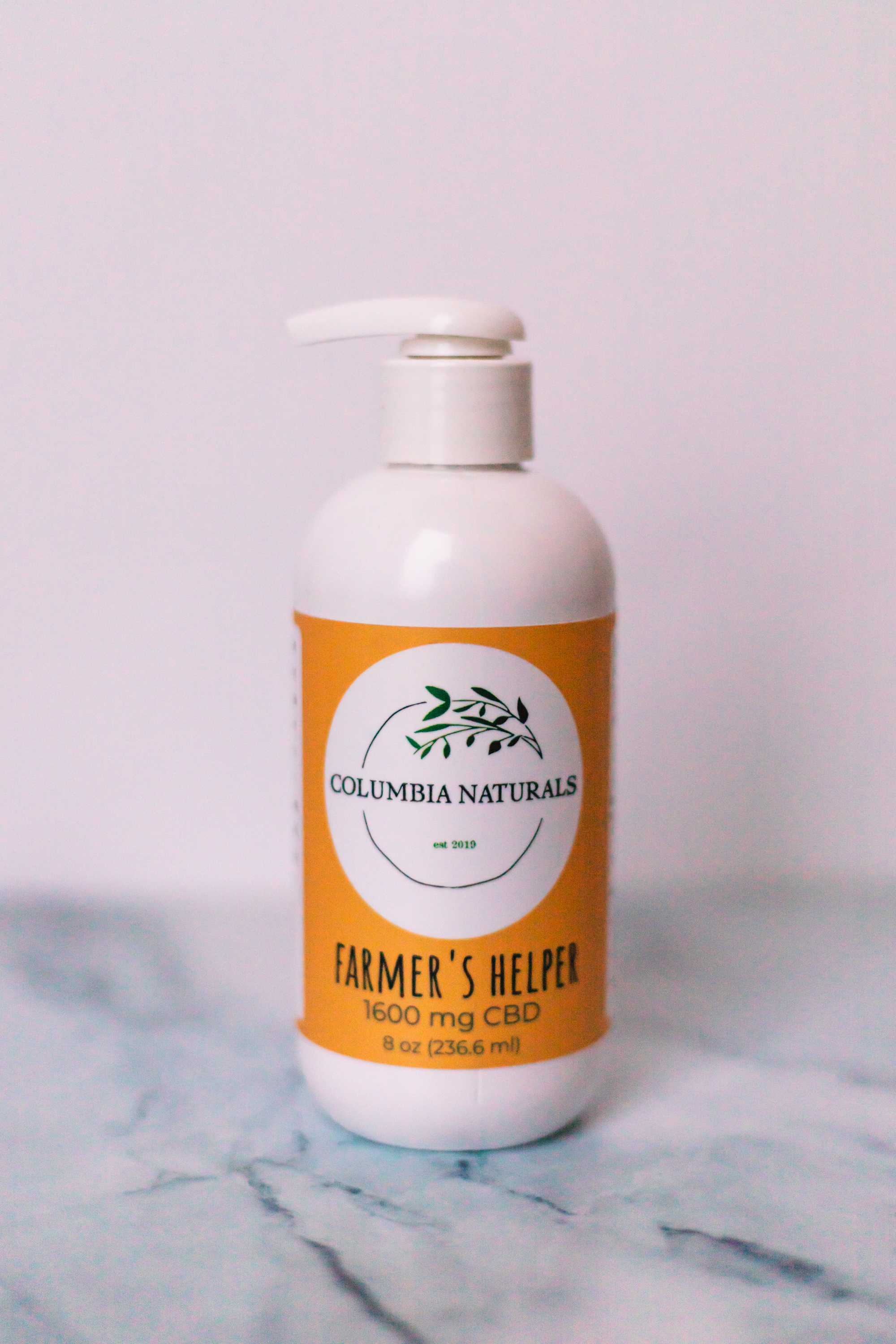
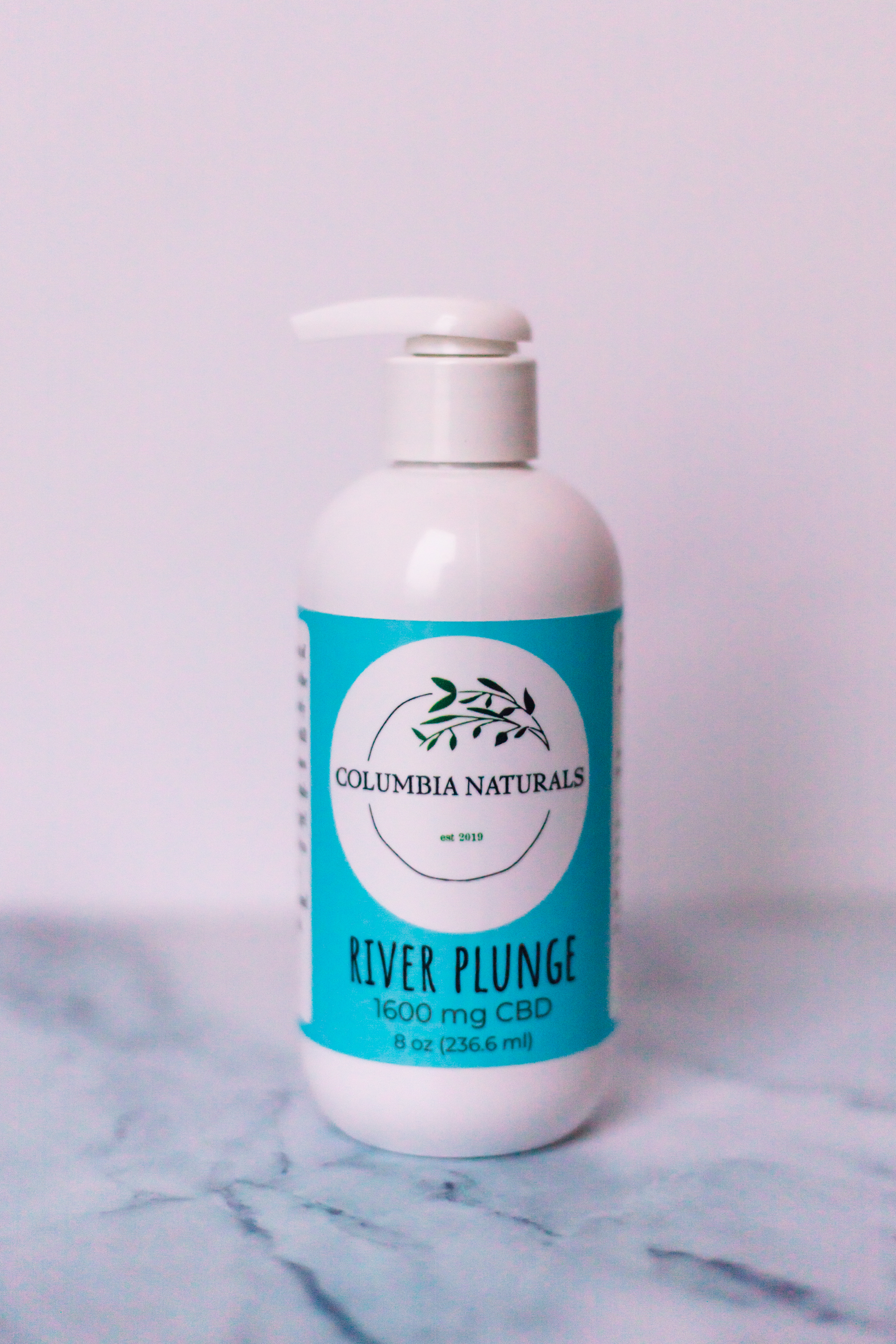
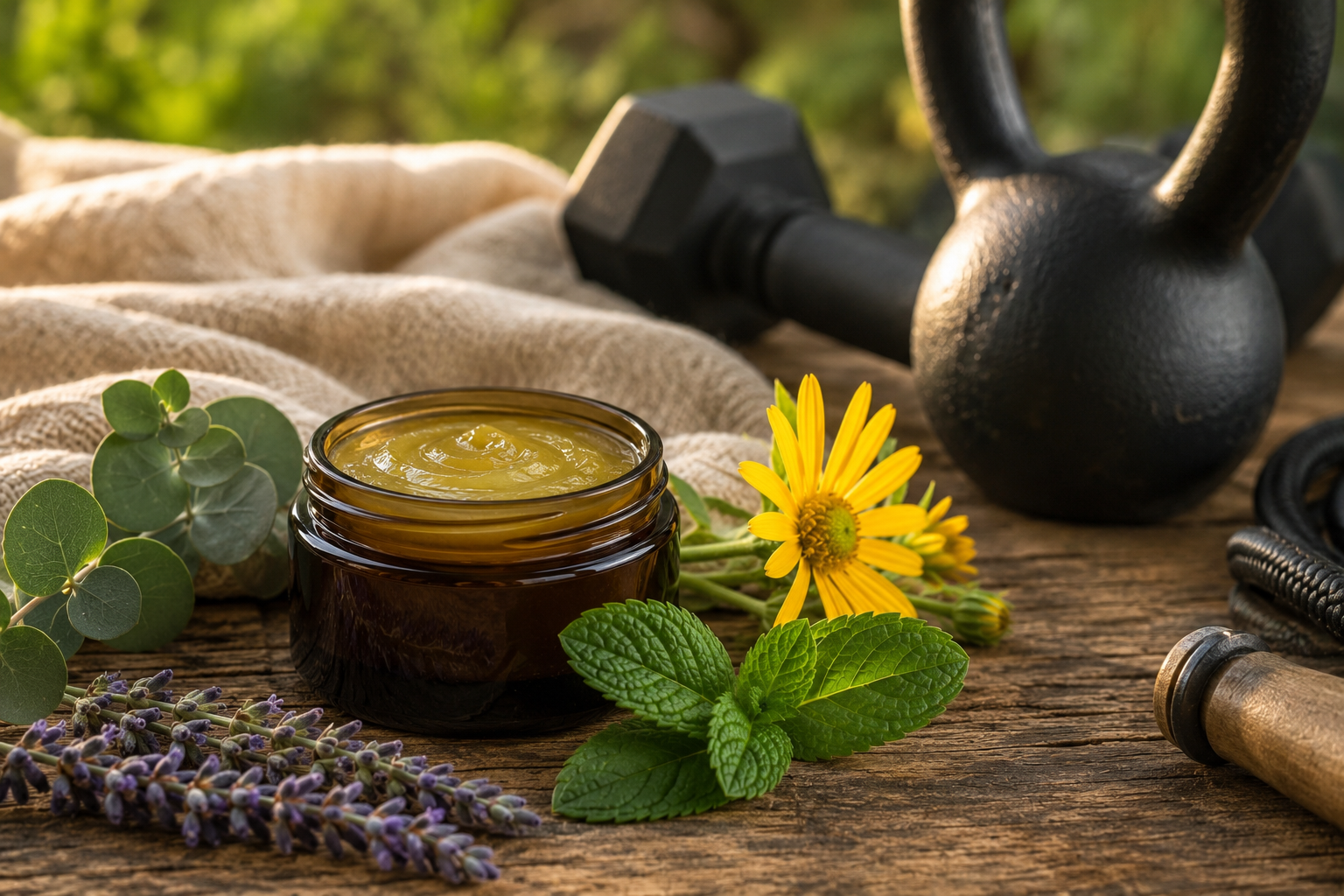
What to look for in the ingredient list. Menthol, for the immediate cooling feel. Arnica, for the slower botanical support. Hemp-derived ingredients, for the interaction with the receptors already living in your skin. A formula that combines all three is doing more work than a single-ingredient product because it is hitting several pathways at the same time.
Use enough product to actually cover the area, and rub it in for 30 to 60 seconds. The massage part matters. Self-massage on its own increases blood flow locally and helps the active ingredients sink in faster.
Don't Skip Rest Days
Rest days are part of the job. Muscles get stronger and more resilient during recovery, not during the work itself. Farmers know this in theory and ignore it in practice, especially during growing season when the to-do list does not care about your shoulders.
A full day off is the ideal version. If you cannot get that, at least rotate the work. Stack a heavy lifting day next to a lighter one. Let yesterday's muscles get a day to do something else.
Prioritize Sleep
Most of your physical repair happens during deep sleep. Growth hormone, which drives muscle recovery and tissue rebuilding, gets released mostly in the first two to three hours after you fall asleep. Run on five or six hours often enough and your body never gets through the recovery cycle it needed.
A small wind-down routine helps. Lights a little lower an hour before bed. Less screen time. A calming topical with lavender if you want a sensory cue that the day is over. The ritual is part of the signal, separate from the science of what each thing is doing.
You take care of your equipment, your land, and your livestock. Your body deserves the same attention.
Small Habits, Big Difference
None of this requires a new program or a new mindset. Drink water. Stretch the parts that worked. Use a real topical on the parts that still ache. Take a rest day when the season allows it. Get more sleep than you think you can afford. Each one is small on its own. Done every day, they add up to a different morning.