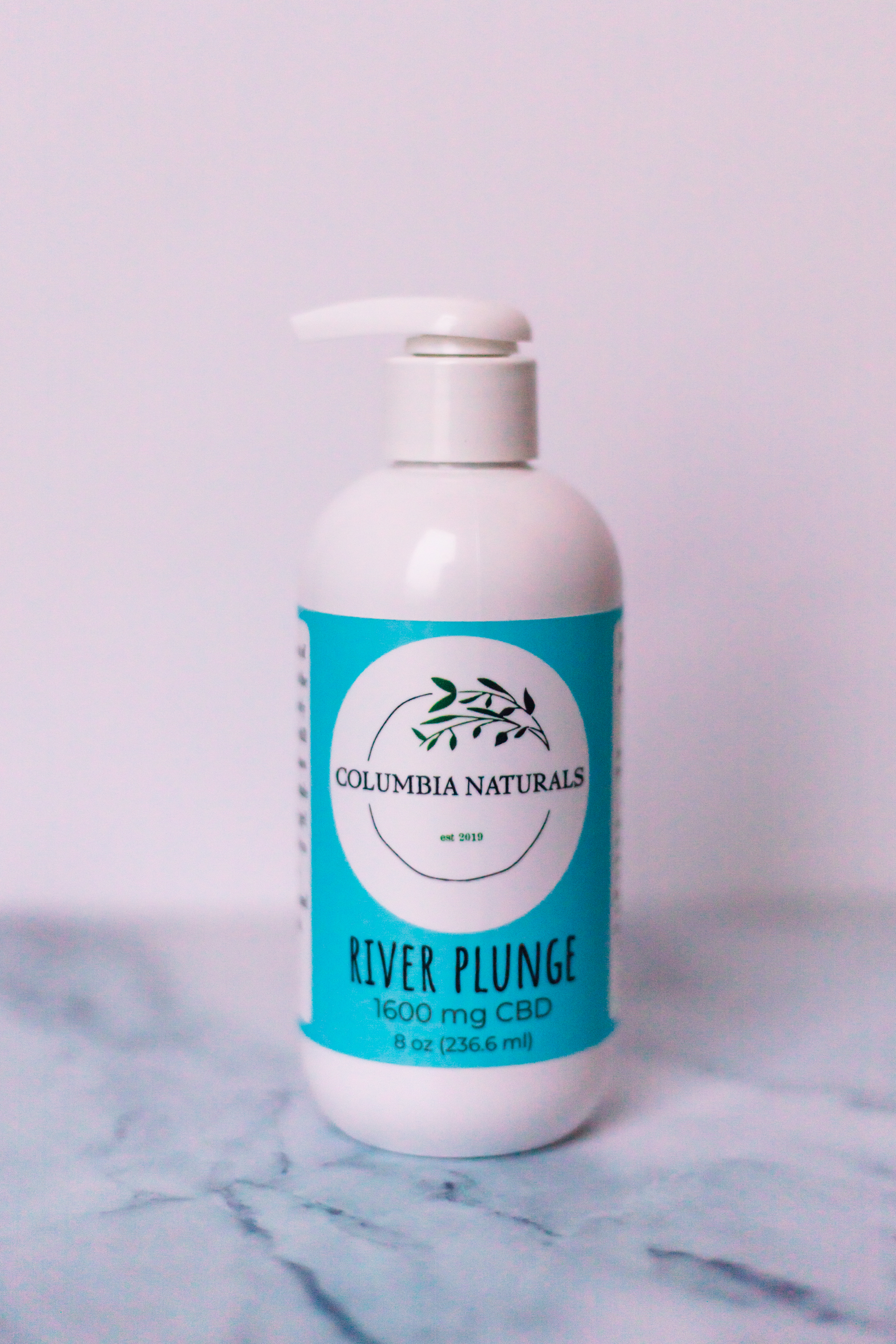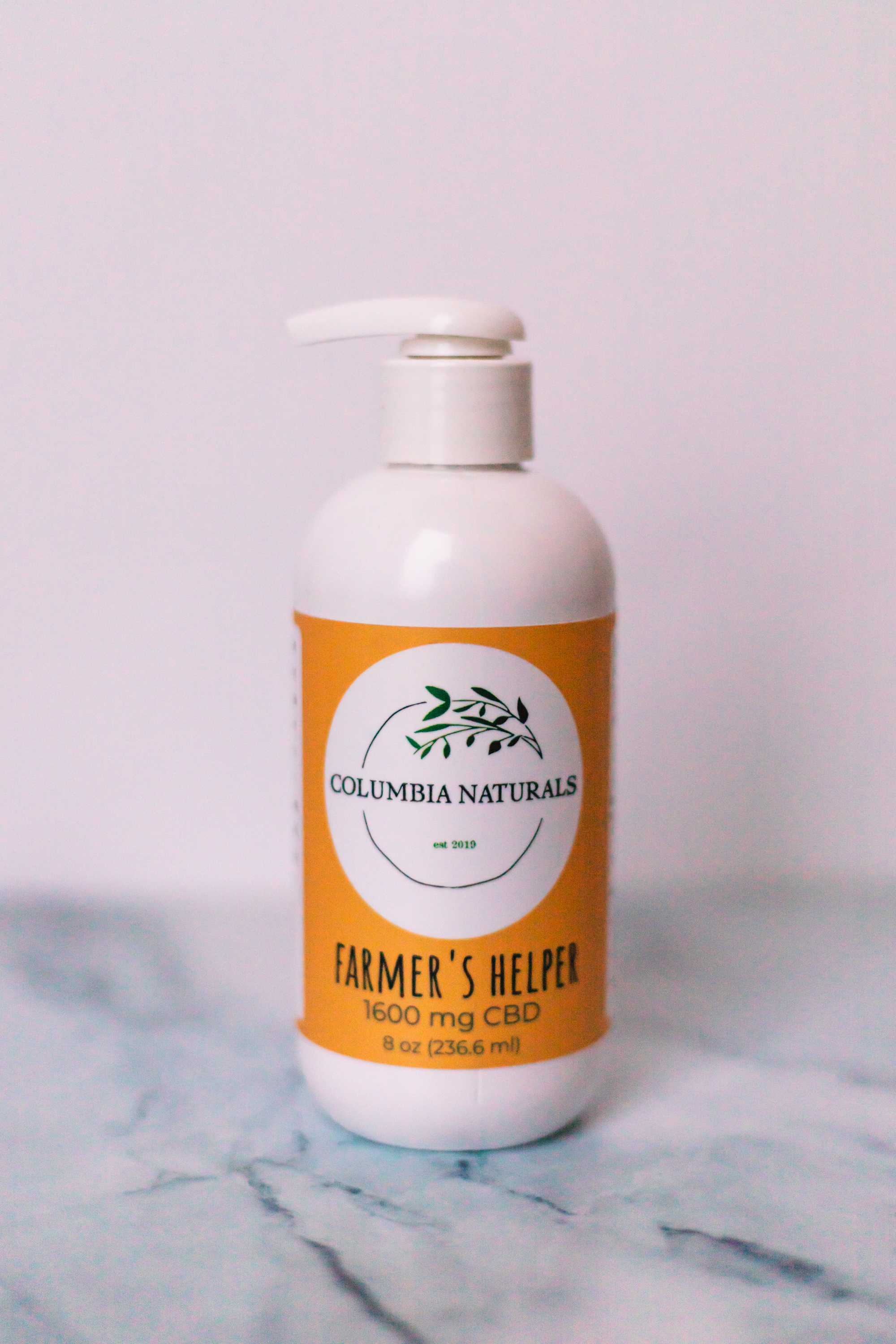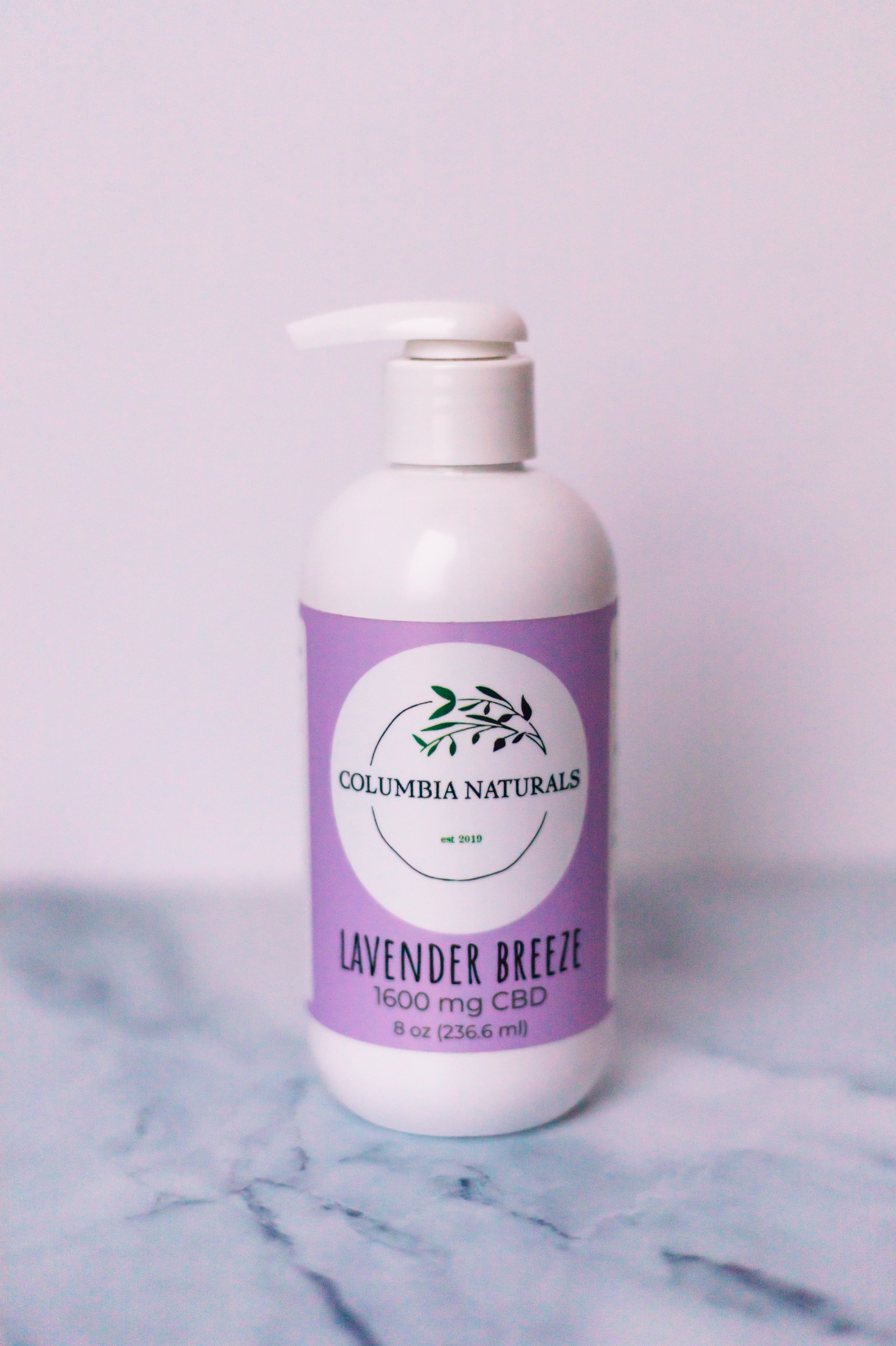
Not All Hemp Is Grown the Same Way
The word "hemp" shows up on so many product labels now that it has almost lost meaning. Two bottles can list it as the headline ingredient and still come from completely different worlds. The story behind the plant inside is doing most of the work, and most labels do not tell you what that story is.
A lot of the hemp used in mass-market skincare is imported. The growing conditions on the other end of that supply chain are not always clear, and the soil it was grown in is not always documented at all. Domestic family farms operate on a different premise: smaller plots, deliberate cultivation, hands on the plants from seed to finished product.
The Columbia Basin Advantage
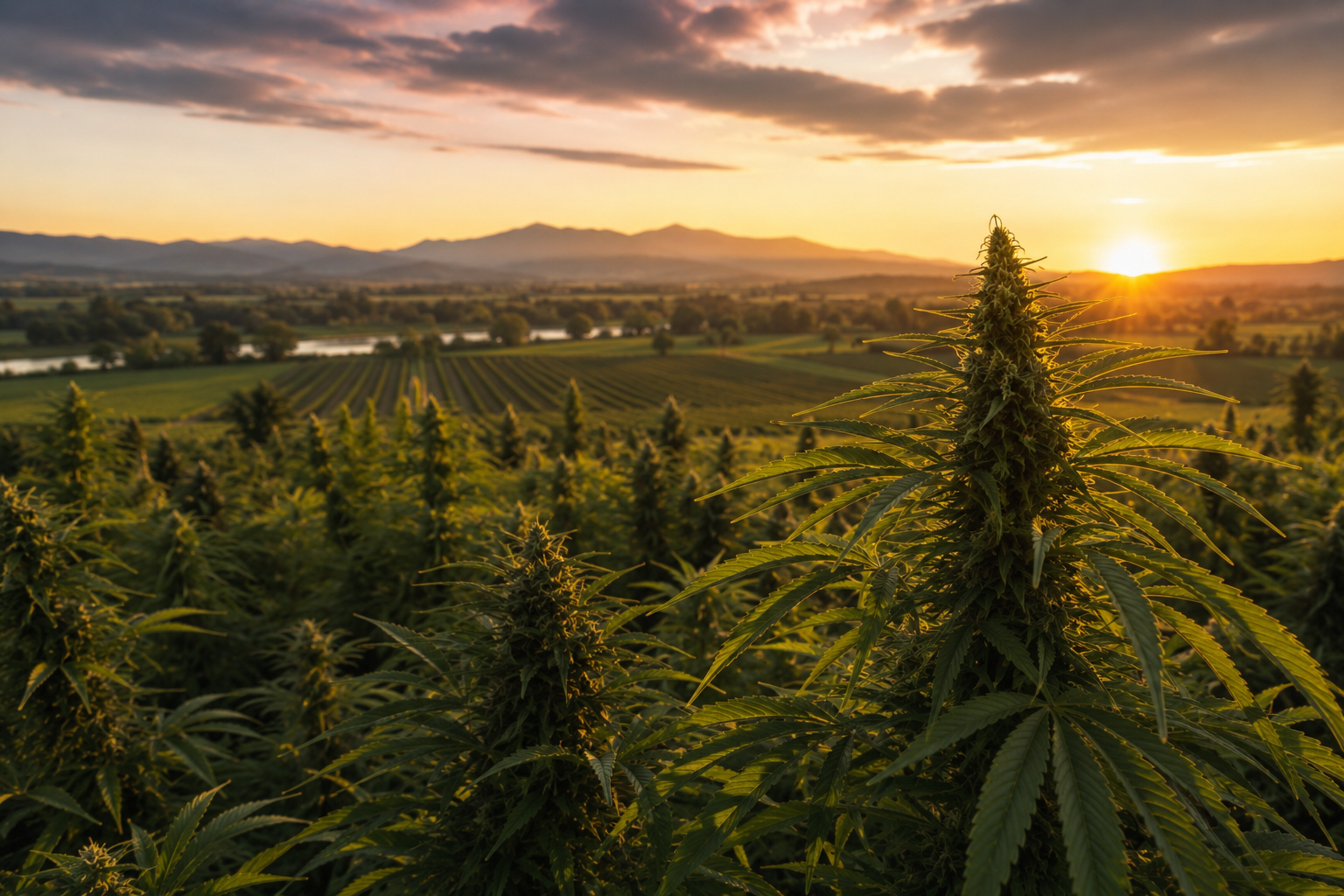
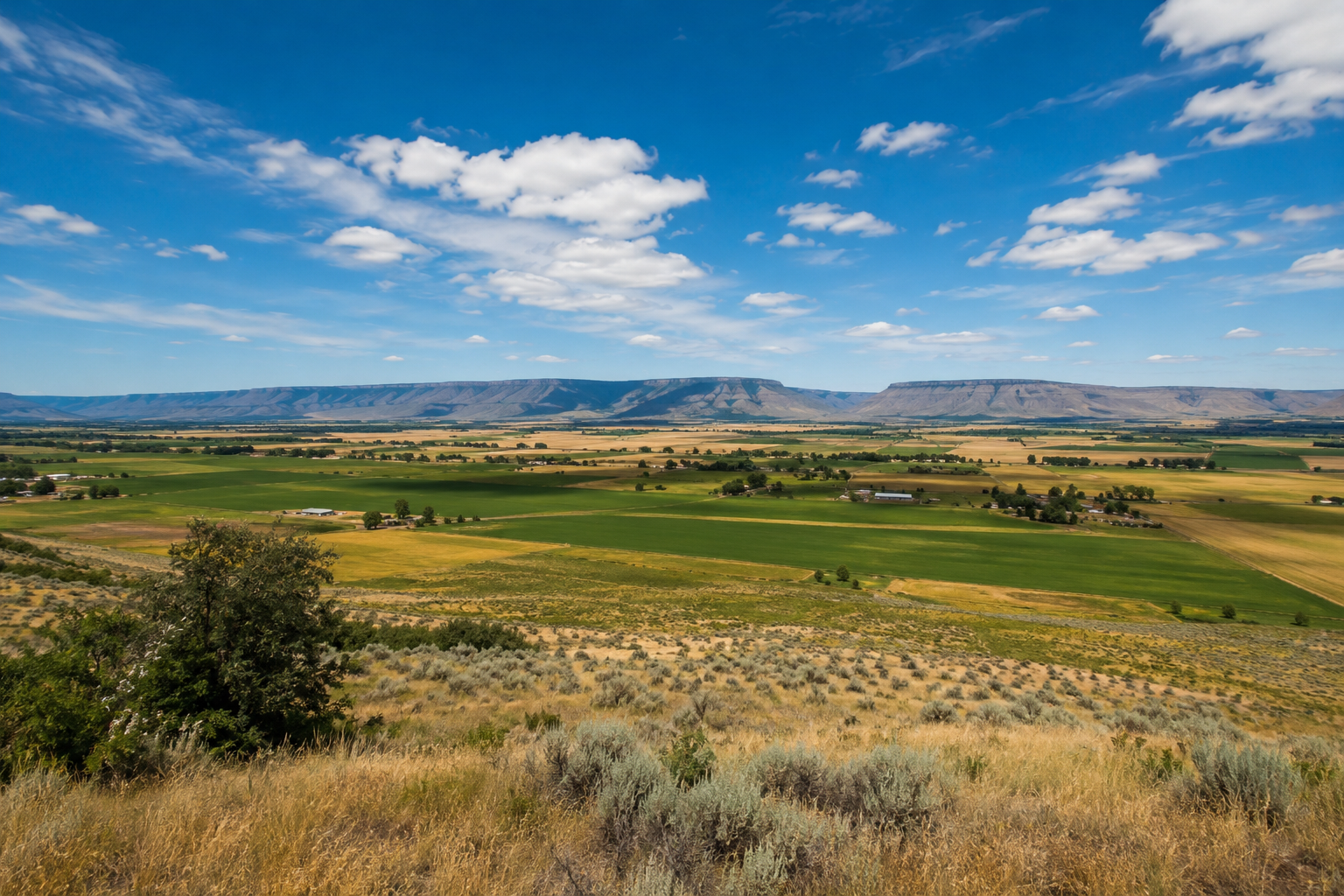
The Columbia Basin sits in the middle of Washington State, in the rain shadow of the Cascade Mountains. It is one of the most productive agricultural regions in the country. The Basin gets more than 300 days of sunshine a year, the summers run dry, and irrigation flows down through the Columbia River system from snowmelt off the Cascades.
Sun, mineral-heavy volcanic soil, and clean water. Those three together are the reason this stretch of Washington grows premium apples, potatoes, and wine grapes. Hemp thrives in the same conditions. Plants mature slowly under consistent sun, without the stress of heavy rain or humidity, and develop fuller terpene and cannabinoid profiles by the time they are ready to harvest.
300 days of sun. Volcanic soil. Clean mountain water.
Family Farming vs. Industrial Production
Compare a craft brewery to a mass-market beer company and the difference shows up in the glass. The same thing happens with hemp-based skincare. On a family farm, the crop gets looked at by name. Someone walks the rows. The harvest happens when the plants are actually ready, not when the calendar says it should. Extraction stays small, so the compounds the plant produced naturally are still mostly intact when they reach the bottle.
Industrial hemp runs on volume. Thousands of acres at a time, machine-harvested, processed in bulk to feed dozens of downstream brands. The output is commodity-grade raw material that gets blended and diluted along the way. None of those brands can point to a specific field. The plant lost its address somewhere upstream.
Vertical Integration: Why It Matters
When one farm grows the hemp, processes the plant, formulates the topical, and ships it to you, the term for that is vertical integration. In practice it means the supply chain is one team. There are no brokers. There is no anonymous middle. You can ask us where any bottle came from and we will know.
It also means we get to control every step that matters: which seed went in the ground, what the soil looked like that year, when we irrigated, when we cut, how the extraction ran, what went into the final formula. Every bottle traces back to a crop from a specific field in a specific season. Most skincare brands cannot say that. We can.
Sustainable Farming Practices
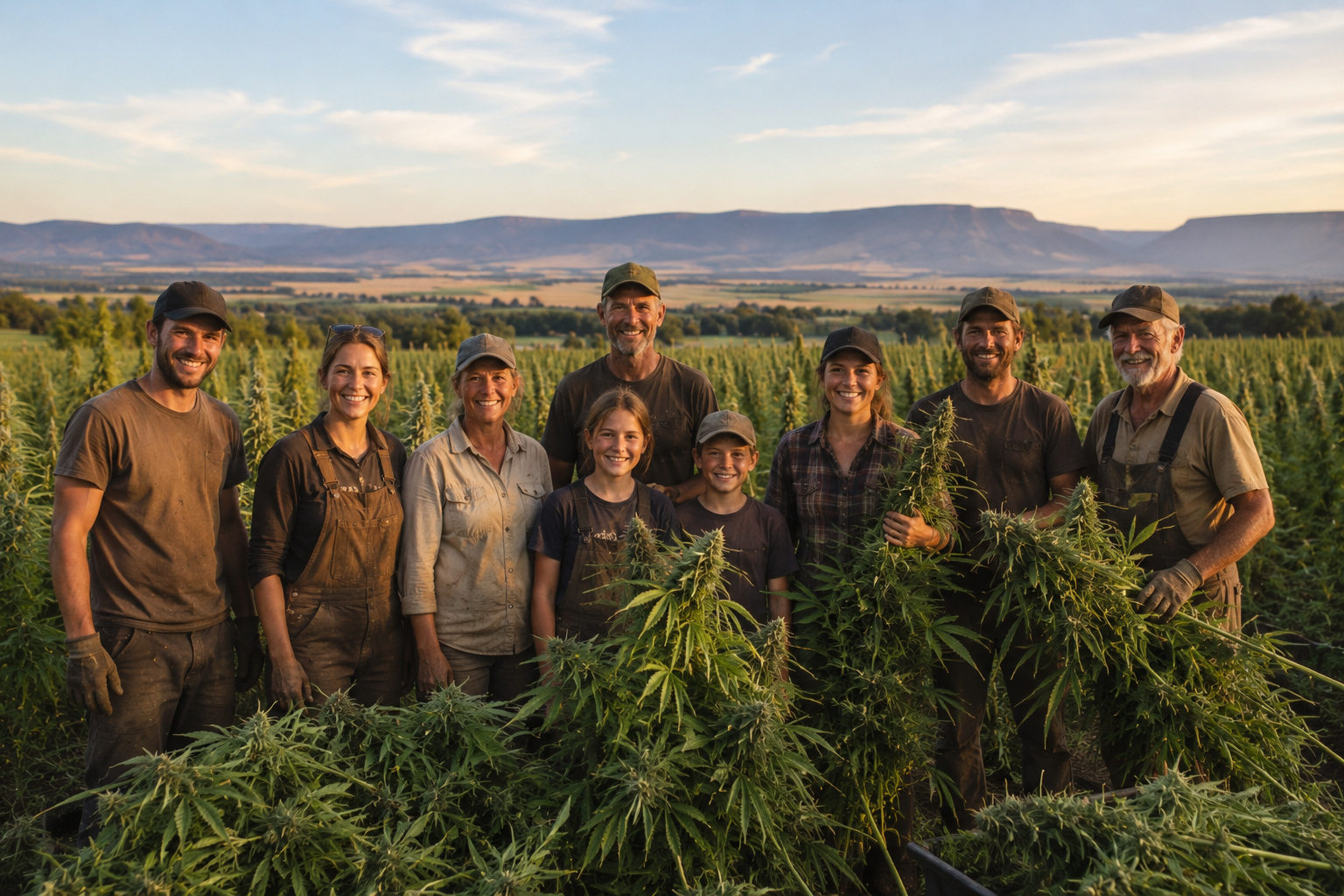
Hemp is naturally generous to the land it grows on. It drinks less water than cotton. It does not need much in the way of pesticides. As it grows, it puts nutrients back into the soil instead of taking them away. The plant is a good neighbor on a farm.
What surrounds the hemp crop matters too. The family farms across the Columbia Basin typically rotate hemp with alfalfa and small grains, which keeps the soil biology varied from one season to the next. Drip irrigation cuts water use. And the hemp operation is usually part of a larger working farm with livestock, orchards, and row crops, so the land stays in active rotation rather than getting drained by one crop on repeat.
What to Look for in a Hemp-Based Topical
Three questions to ask before you trust any hemp-infused skincare product. Where was the hemp grown? Who grew it? Can the company actually trace the product all the way back to a field?
If the label is silent on those questions, you are trusting your skin to a supply chain you cannot see. The growers worth buying from are the ones proud enough of their work to tell you exactly where the plant came from.